 ultimate-guide
Custom Apparel Printing for Gen Z: A 2026 Guide
Table of Contents
- Why Gen Z Is Redefining Custom Apparel Printing
- Gen Z Design Trends Shaping Custom Apparel
- DTF Printing vs Screen Printing for Streetwear
- Sustainable Custom Apparel Options for Conscious Brands
- Affordable Custom Hoodies for Small Teams
- How to Design Custom Apparel That Resonates With Gen Z
- The Psychology of Gen Z Custom Apparel Consumption
- Conclusion
Last Updated: August 26, 2026
Why Gen Z Is Redefining Custom Apparel Printing
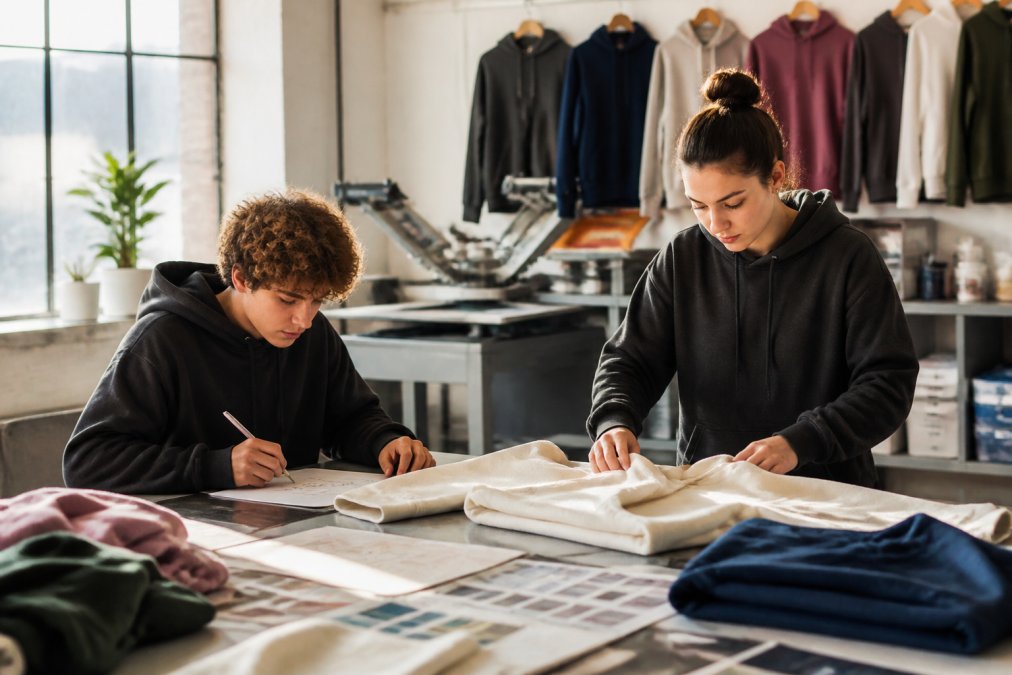
Custom apparel printing for gen z has become far more than a niche market, it's reshaping how brands think about production, design, and consumer engagement. Gen Z demands authenticity, self-expression, and control over what they wear. They expect small batch production options, intricate graphic designs, and personalization without minimum order requirements.
Traditional apparel manufacturers built their business around large runs and standardized designs. Gen Z flipped that model, driving demand for no-minimum ordering, DTF printing technology that delivers vibrant color detail, and sustainable materials aligned with their values. Digital printing methods like DTF (direct-to-film) have made intricate, multi-color designs affordable at scales impossible five years ago (peer-reviewed research). Combine that with Gen Z's appetite for visual storytelling, and custom apparel printing isn't just viable, it's competitive advantage.
Gen Z Design Trends Shaping Custom Apparel
Gen Z design preferences are rooted in self-expression and authenticity. This generation rejects polished, corporate aesthetics in favor of designs that feel raw, intentional, and deliberately chaotic.
Oversized Streetwear and Gender-Neutral Silhouettes
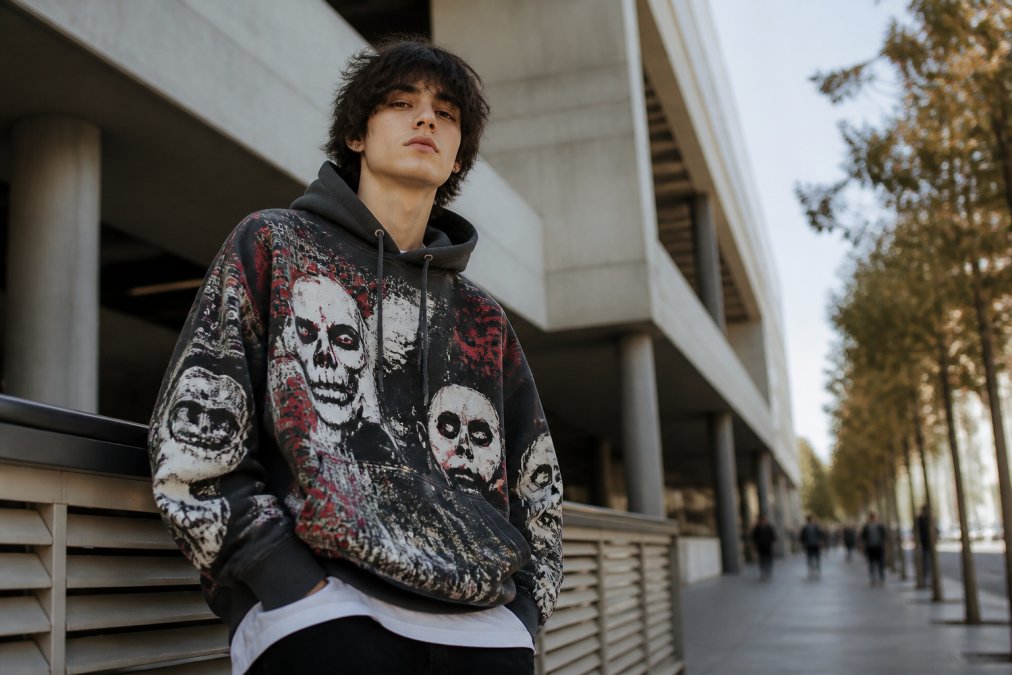
Oversized hoodies and gender-neutral apparel dominate Gen Z wardrobes. The oversized silhouette rejects traditional gender norms and embraces comfort as design principle. Oversized garments give designers more canvas space for detailed graphics and layered visual elements, accommodating complex designs that would feel cramped on fitted apparel.
Gender-neutral design extends beyond silhouette to color choices, moving away from gendered color associations. Successful custom apparel uses color strategically, often embracing unexpected combinations or muted palettes that feel intentional.
Graphic-Heavy and Chaotic Customization
Gen Z embraces "chaotic customization", designs that layer multiple visual elements, textures, and references without attempting perfect harmony. This maximalism with intention includes overlapping graphics, mixed typography, and intentional imperfections that signal authenticity.
DTF printing technology excels at rendering fine detail and color gradients. Where screen printing has color limitations, DTF handles unlimited colors in a single pass, enabling designers to layer textures, add subtle color shifts, and create depth that would be prohibitively expensive with traditional methods. The chaotic aesthetic even embraces intentional "mistakes", slightly imperfect prints or visible texture variations signal handmade authenticity rather than mass production.
Retro Prints and Vintage-Inspired Aesthetics
Gen Z pulls from 90s and early 2000s aesthetics, retro prints, vintage typography, and faded color effects. This conscious rejection of ultra-modern design favors what feels authentic and historically rooted. Both screen printing and DTF can execute vintage-inspired designs effectively, with screen printing delivering that classic textured feel and DTF replicating faded effects with precision.
The vintage trend intersects with sustainability, apparel that feels like it could last, with character and depth, appeals to Gen Z values around longevity.
DTF Printing vs Screen Printing for Streetwear
The choice between DTF and screen printing fundamentally shapes your custom apparel outcome.
When to Choose DTF for Detail and Color
DTF (direct-to-film) printing excels when designs demand unlimited colors, fine detail, or complex color gradients. The technology transfers a digitally printed film directly onto fabric, meaning every pixel translates to the garment with no color limitation or registration issues.
For Gen Z designs with layered graphics, photorealistic elements, or intricate retro prints with subtle color shifts, DTF delivers. A design with 15 colors and gradients that would cost significantly more with screen printing becomes economically viable. DTF also handles color variations beautifully, capturing faded effects and intentional imperfections that feel vintage. The limitation is that DTF prints feel slightly different to the touch than screen-printed designs, and durability depends on proper curing and fabric preparation.
When Screen Printing Wins for Durability
Screen printing remains the gold standard for durability and longevity (peer-reviewed research). The ink bonds through heat curing, creating a bond that withstands hundreds of washes without fading or peeling (peer-reviewed research). It also creates a specific aesthetic, that slightly raised, textured feel that reads as intentional and crafted.
The trade-off is complexity. Screen printing works best with 1-6 colors, with each color requiring a separate screen. For small batch production, setup fees can make per-unit costs high unless ordering reasonable quantities. The choice depends on design complexity and batch size: simple, bold designs in limited colors favor screen printing; complex, multi-color designs or small quantities favor DTF.
Sustainable Custom Apparel Options for Conscious Brands
Gen Z cares deeply about environmental and ethical footprints. Sustainable custom apparel has moved from niche positioning to baseline expectation. Sustainable options include organic cotton blanks, recycled polyester, and low-impact dyes. Gen Z views the premium as justified.
The printing method matters too. Screen printing with water-based inks in eco-conscious facilities reduces chemical waste. DTF requires proper film disposal. Transparent supply chains appeal directly to Gen Z values, explaining where blanks come from, how they're manufactured, and what happens to production waste builds trust and loyalty.
Affordable Custom Hoodies for Small Teams
No-Minimum Ordering and Small Batch Production
Modern custom apparel printing embraces small batch production. No-minimum ordering means testing designs, building inventory gradually, and responding to demand without overcommitting capital. A small business can order custom hoodies to test the market, then scale based on actual response.
This flexibility changes economics entirely. Instead of betting on a design, invest to validate the concept. Small batch production also enables rapid iteration, releasing a design, gathering feedback, and launching updates within weeks.
Personalization Without the Price Tag
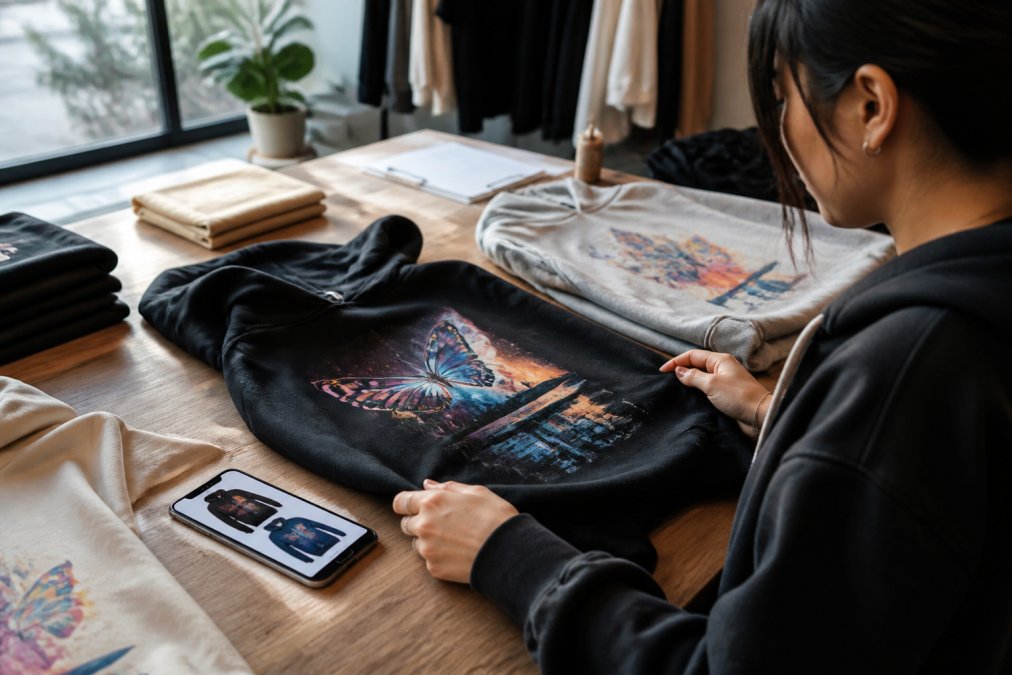
DTF printing enables personalization at small batch scales. Adding names, custom text, or unique graphics to individual pieces costs only slightly more than standard production. A team can each get a custom hoodie with personalized elements while maintaining reasonable per-unit costs. This transforms custom hoodies from uniform merchandise into genuinely personal items that build team identity and individual expression.
How to Design Custom Apparel That Resonates With Gen Z
Designing for Gen Z requires understanding what drives their choices, creating designs that feel authentic, personal, and aligned with their values.
Self-Expression Through Visual Identity
Gen Z views apparel as a canvas for self-expression. Your design should invite wearers to see themselves in it. Start by understanding your audience's actual interests and values. Designs that tap into genuine Gen Z concerns, social justice, environmental responsibility, mental health awareness, niche interests, resonate far more than generic branding. The visual identity should feel intentional and specific, clearly belonging to YOUR brand, community, or values.
Social Media Integration and Shareability
Every design should work as social media content. Gen Z shares what they wear. Design with shareability in mind, consider how graphics look in square crops, vertical formats, and close-up detail shots. Is text readable at small sizes? Does the design have visual impact in photos? The best custom apparel designs work as both wearable items and social content.
The Psychology of Gen Z Custom Apparel Consumption
Gen Z grew up expecting unprecedented customization across phones, social media, and digital experiences. Custom apparel is a natural extension into the physical world. Mass-produced items feel inauthentic; custom apparel signals intentionality and reflects individual taste and values.
There's also a rebellion component, custom apparel, especially small-batch or personalized pieces, signals intentionality against corporate fast fashion. When Gen Z sees peers wearing meaningful custom designs, they notice and consider creating their own. Custom apparel becomes identity infrastructure, signaling belonging and alignment with values.
The custom apparel printing landscape has fundamentally shifted. Gen Z's demand for self-expression, sustainability, and authenticity has made custom apparel production accessible, affordable, and essential for competitive brands. Whether outfitting a small team, launching a brand, or creating event merchandise, technology and economics now support your vision.
Action Designs specializes in bringing those visions to life. With expertise in screen printing, DTF, embroidery, and DTG techniques, plus flexibility for small batch orders and personalization at scale, we handle everything from bold graphic tees to sophisticated branded uniforms. Our scalable production means your custom hoodies receive the same attention to quality as an order of 2,500. Get a quote and discover how custom apparel printing for gen z can become your competitive advantage.
Frequently Asked Questions
What printing techniques work best for Gen Z-focused streetwear designs?
DTF (direct-to-film) printing excels at intricate, multi-color designs with fine details that appeal to Gen Z's graphic-heavy aesthetic. Screen printing offers superior durability and vibrant colors for simpler designs. For designs with 7+ colors or complex artwork, DTF delivers the detail Gen Z expects. Both methods produce durable prints that withstand regular washing when executed properly. Your design complexity and desired finish should guide the choice.
Can I order affordable custom hoodies for small teams without high minimums?
Yes. Modern print-on-demand and small batch production methods eliminate traditional minimum order quantities. You can order custom hoodies for your team without inflated per-unit costs. Pricing depends on quantity, delivery timeline, and design complexity, so contact Action Designs for a quote tailored to your team size and budget.
How does Gen Z's preference for sustainability impact custom apparel choices?
Gen Z actively seeks brands using eco-friendly materials like organic cotton, recycled polyester, and sustainable dyeing processes. Sustainable custom apparel options appeal to this demographic's values and influence purchase decisions. Many Gen Z consumers will pay more for custom apparel made with transparent supply chains and minimal environmental impact, making sustainability a competitive advantage for brands targeting this audience.
Why is chaotic or DIY-style design trending in custom apparel?
Gen Z values authenticity and individuality over polished perfection. Chaotic customization, layered graphics, mismatched colors, intentional 'imperfect' layouts, signals uniqueness and personal identity rather than mass-produced conformity. This trend reflects Gen Z's desire for self-expression through apparel. Brands embracing intentionally chaotic or vintage-inspired graphic design resonate more strongly with this demographic than traditional, minimalist approaches.
This article was written using GrandRanker